How to Create an Online Course That Sells
Most online courses don't fail because the content is bad.
They fail because the course was built around what the creator wanted to teach rather than what the market was already trying to buy.
That's a subtle distinction and it's the one that separates courses that generate consistent revenue from courses that make a handful of sales on launch day and quietly collect dust in a membership site for the next two years.
I've been in the online course business since 2013. I've built courses that failed. I've built courses that became the backbone of a seven-figure business. The difference between them was almost never the quality of the content. It was almost always whether the course was solving a problem people were already spending money to solve, positioned in a way that made the decision to buy feel obvious rather than effortful.
That's what this article is about. Not how to record modules or set up a platform or write a launch email sequence. How to build a course that sells from the moment it hits the market rather than one that requires heroic promotional effort just to move a handful of copies.
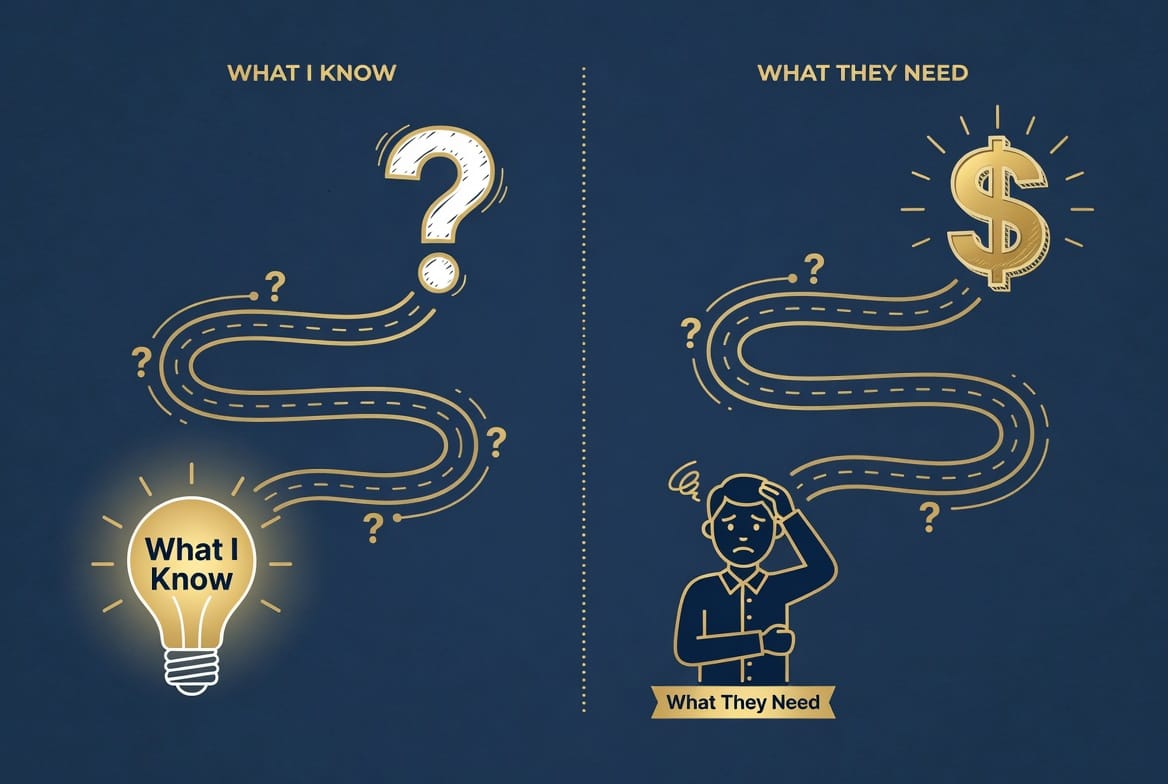
The Market Doesn't Buy What You Know. It Buys What It Needs.
The most common mistake course creators make starts before they write a single lesson.
They begin with expertise and work forward. They know a lot about a topic. They organize that knowledge into a curriculum. They record the modules. They launch. And then they discover that the market's interest in their expertise doesn't translate into purchase behavior the way they expected.
The problem is the starting point.
Starting with what you know produces a course shaped around your expertise. Starting with what the market is already actively trying to solve produces a course shaped around a buyer's existing urgency. Those two things overlap sometimes. They're never identical. And the gap between them is where most courses lose their commercial viability before they're ever built.
The course that sells starts with a specific person experiencing a specific frustration right now. Not a person who might eventually develop an interest in your topic. A person who is already searching for answers, already spending time and money trying to solve this problem, already feeling the daily friction of not having figured it out.
That person exists for almost every legitimate problem domain. Finding them before you build, rather than hoping they show up after you launch, is the single most important shift a course creator can make.
The Specificity Problem
Here's something that will feel counterintuitive the first time you encounter it.
The broader your course topic, the harder it is to sell.
Most course creators think comprehensiveness is a virtue. The more their course covers, the more value it delivers, the easier it should be to justify the price. This reasoning is logical and almost entirely wrong.
Broad courses create a broad buying decision. The prospect has to evaluate whether the entire scope of what you're covering is relevant to their situation right now. Most of it probably isn't. They're not looking for everything about your topic. They're looking for the specific piece of it that solves the specific problem they're currently stuck on.
Specific courses create a specific buying decision. The prospect reads the title and immediately thinks "that's exactly what I need." There's no evaluation required. The offer matches the urgency so precisely that the decision is almost automatic.
A course called "The Complete Guide to Building a Coaching Business" asks the prospect to evaluate whether they need everything inside it. A course called "How to Get Your First Three Paying Coaching Clients Without a Large Audience or a Sales Call" asks them to evaluate whether they have that specific problem.
If they have that problem, the second course is a near-automatic purchase. The first course might be better, more comprehensive, more valuable in the long run. It still converts at a fraction of the rate because it puts more cognitive work on the buyer at the moment of decision.
Specificity sells. Comprehensiveness impresses. Those are different things and only one of them reliably produces transactions.
The Transformation Has to Be Visible From the Outside
There's a specific test I apply to every course concept before I build it.
Can the buyer see exactly where they are now and exactly where they'll be after completing the course, from the outside, before they purchase?
If the answer is no, the course won't sell the way it should regardless of how good it actually is.
People don't buy courses. They buy outcomes. They buy the version of themselves on the other side of the transformation. They buy the result they'll have, the problem they won't have anymore, the capability they'll have gained.
If your course positioning makes them work to figure out what that transformation looks like, you've lost most of them before they've read past the headline.
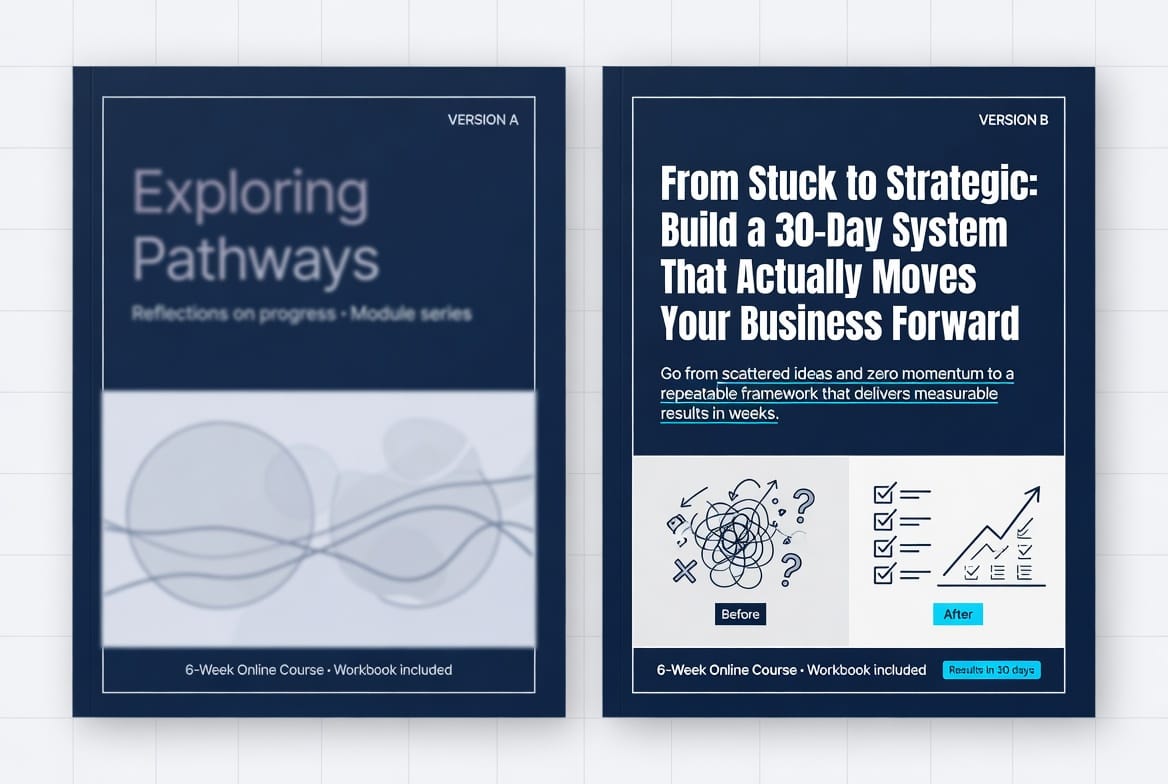
Sarah Mitchell's first version of her course was called "The Mindset Shift Method." Clear enough to people who already understood her work. Completely opaque to cold traffic who had never encountered her before.
Her revised version was called "How to Eliminate the Self-Doubt That's Keeping You Stuck at $3,000 a Month So You Can Cross $10,000 Without Working More Hours."
Same content. Same modules. Same price.
Different positioning that made the transformation visible from the outside. The buyer could see exactly where they were and exactly where they'd end up. The decision to buy became easier because the outcome was concrete rather than conceptual.
Her conversion rate on cold traffic improved significantly without a single change to the course itself.
Why Your Audience Telling You They Want It Means Almost Nothing
Most course creators validate their idea by asking their existing audience whether they'd be interested.
They post a poll. They run a survey. They ask in their newsletter or their Facebook group. They get enthusiastic responses. They take those responses as confirmation that demand exists and start building.
Then they launch and the sales don't match the enthusiasm.
This happens because of a fundamental difference between stated interest and actual purchase behavior. Your audience will tell you they're interested in almost anything you propose if they like you and want to be supportive. Responding to a survey costs them nothing. Opening their wallet costs them something real.
The gap between those two things, enthusiasm in a survey and willingness to pay at a specific price point, is where most course launches fall apart.
Real validation is a transaction. It's a cold stranger, someone with no prior relationship to you and no goodwill to draw on, making a pure buying decision based solely on whether your offer addresses a problem they actually have.
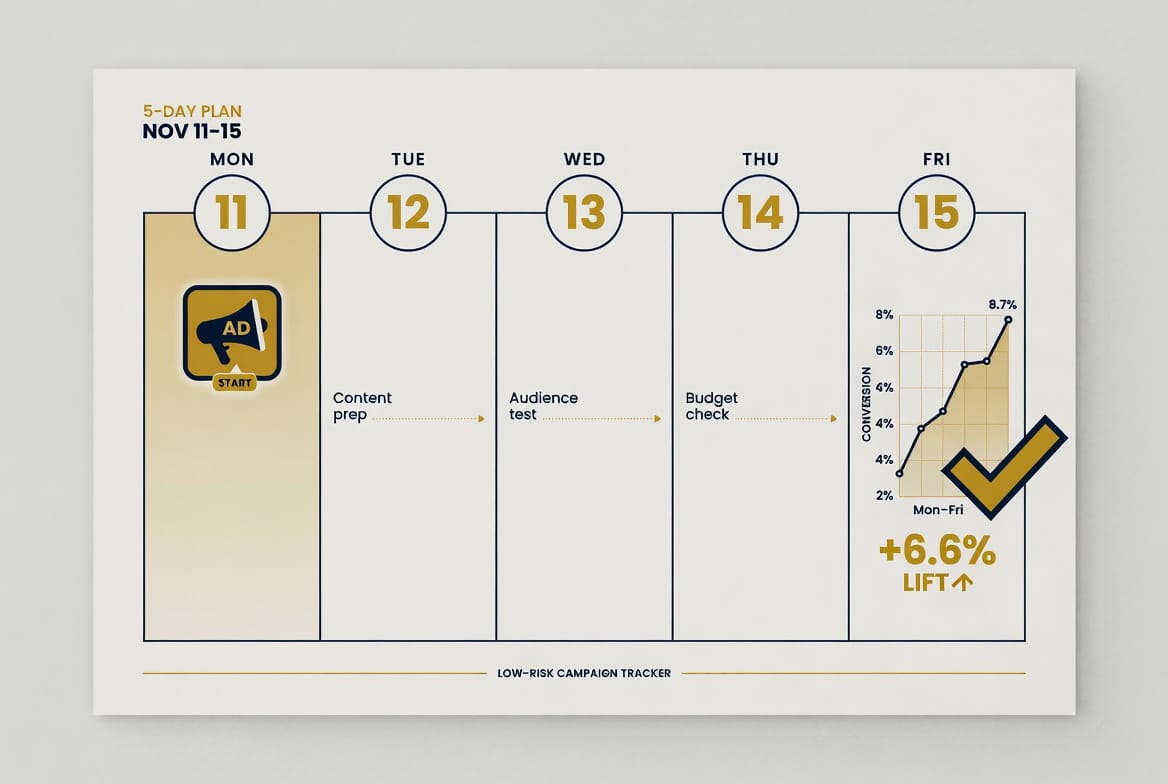
The only way to get that information before building a full course is to run a small paid traffic test to a minimal version of the offer. A simple $27 guide, a short workshop recording, a focused template, something that can be created in a day or two and tested against real cold traffic for five days on a modest budget.
If cold strangers buy it, demand is real. If they don't, you've bought that information for a few hundred dollars instead of four months of your life and a launch that produces nine sales.
Priya Sharma learned this the hard way. Four months of course creation, nine sales on launch day. Her second course was validated in five days before she wrote a single module. Her second launch generated 61 sales.
The difference wasn't the content. It was the sequence.
The Price Point Is a Positioning Decision Not a Math Decision
Most course creators price their courses by looking at what competitors charge and picking something that feels competitive.
This produces prices that are defensible in a competitive context and often wrong for the specific buyer you're trying to reach.
Price communicates multiple things simultaneously. It signals the depth of the transformation. It signals who the course is for. It selects for a specific type of buyer with a specific level of commitment to solving the problem.
A $27 product attracts a buyer who is curious enough about a specific solution to make a small financial commitment. A $197 course attracts a buyer who is serious enough about solving this problem to make a more significant investment. A $997 program attracts a buyer who is committed enough to solving this problem that they're willing to invest at a level that requires a real decision.
None of these is inherently better than the others. They're different buyers at different stages of commitment to solving the problem. The question isn't which price point is best. It's which price point attracts the buyer who is best positioned to get a result from your specific course at this specific moment.
The most common pricing mistake is charging a mid-range price, $197 to $497, to cold traffic who hasn't been warmed up through any prior buying relationship with you. That price point is too high for a stranger to pay easily and too low to create the commitment that produces course completion and results.
The course that sells, consistently, to cold traffic, is almost always either a low-ticket offer that removes the friction from the initial buying decision, or a higher-ticket offer being presented to buyers who have already made a prior purchase. Not a mid-range offer being presented to cold strangers who have no prior relationship with you to draw on.
What Needs to Happen Before Someone Buys a $197 Course From You
Here's the uncomfortable truth about selling mid-to-high ticket courses to cold traffic.
It almost never works at meaningful volume.
Not because the courses aren't good. Because the trust required to justify a $197 purchase from someone you've never bought anything from doesn't exist at the moment a cold prospect first encounters your sales page.
Think about your own buying behavior. When was the last time you paid $197 for something from someone you'd never bought anything from before, based on a single ad or a single piece of content?
It happens. It's not common. And building a business model that depends on it happening at scale is the setup for exactly the kind of disappointing launch results that leave course creators questioning whether their content is good enough.
The trust gap between cold stranger and $197 buyer is real. The launch model tries to close it through a concentrated burst of promotional content over two to three weeks. For warm audiences who already know you, it works reasonably well. For cold traffic, it almost never works well enough to justify the math.
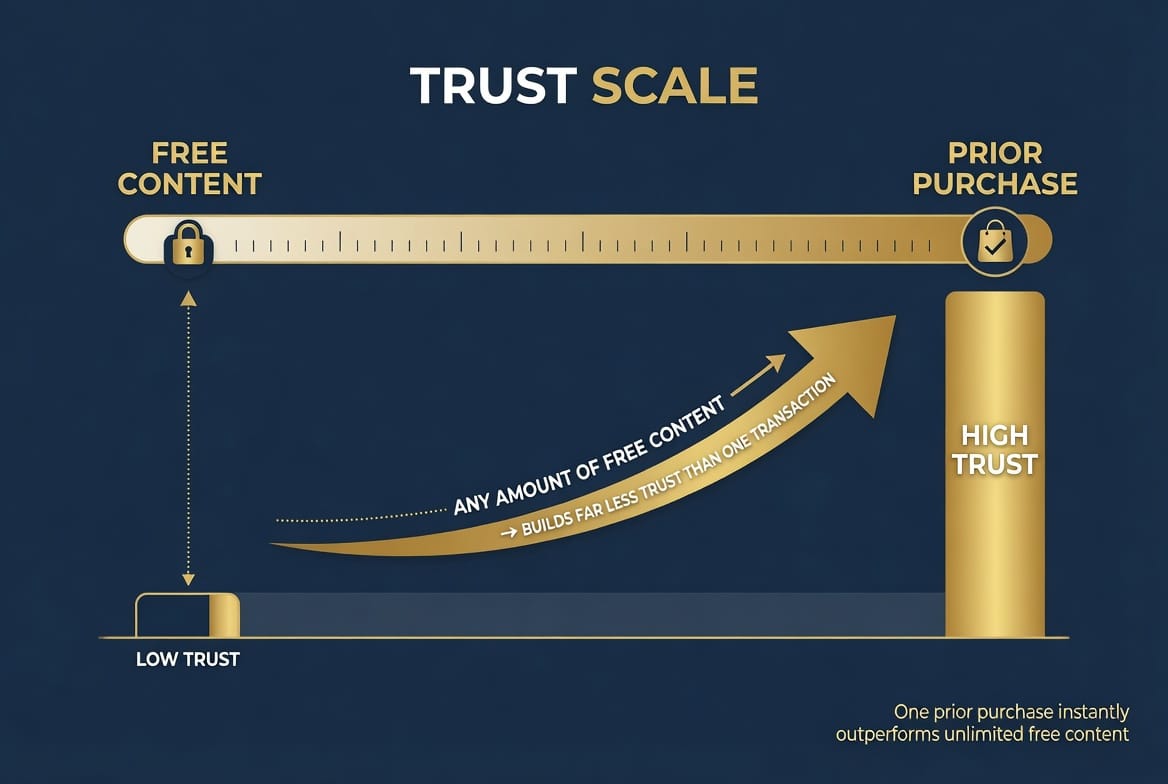
The model that closes the trust gap reliably is a low-ticket front-end offer that creates a prior buying relationship before the $197 ask ever appears. A $27 product that delivers a real result builds more trust in a single transaction than any amount of free content ever could, because it moves the prospect from consumer to customer. From someone who likes your free stuff to someone who has paid you and gotten value in return.
That buyer, when they see your $197 course, isn't evaluating whether to trust you. They already answered that question. They're evaluating whether this is the right next step.
That's a completely different buying decision. And it converts at rates that make the economics of the business look completely different.
The Course That Sells Is Part of a System
The last thing worth understanding about creating a course that sells is that the course itself is never the complete answer.
A great course sitting in isolation, with no structured system for getting it in front of the right people at the right moment in the right relationship context, will underperform regardless of its quality.
The course that consistently sells is part of a connected system. A front-end offer that acquires buyers at a cost the math can support. A value stack that covers the cost of the traffic finding it. A post-purchase sequence that warms buyers and moves them naturally toward the course. A paid traffic campaign that brings the right people into the top of the system every day without requiring a live launch to generate flow.
Marcus Thompson had a good course. He'd been selling it for three years. His revenue was inconsistent and depended entirely on his weekly webinar to generate sales. When he built a front-end funnel that fed his course with pre-warmed buyers who had already paid him once, his course revenue became consistent, predictable, and no longer dependent on him showing up live every week.
The course didn't change. The system around it did.
That's the complete picture of what it takes to create a course that sells. Not just good content, though that matters. Not just smart positioning, though that matters too. A course worth buying, positioned to make the transformation visible from the outside, validated before significant build investment, priced appropriately for the buyer it's designed to attract, and embedded in a system that delivers the right buyers to it in the right relationship context at the right moment.
Get all of those things right and the course sells.
Get the economics of the system right specifically, which means building the front end that covers its own costs and delivers pre-qualified buyers to the course rather than relying on cold traffic to make a $197 leap of faith, and the course sells consistently without requiring a launch every 90 days to keep revenue flowing.
How to build that system around the course you're creating or the course you've already built is exactly what Get Paid to Get Leads covers.